- Mon–Sat: 11:00 AM – 6:00 PM
- Sunday: Appt only
- +91 9421026666
- odontocaredental23@gmail.com
- Odontocare Dental Clinic
- Majiwada, Thane west
Shopping Bag
Popular Suggestions


Our Services
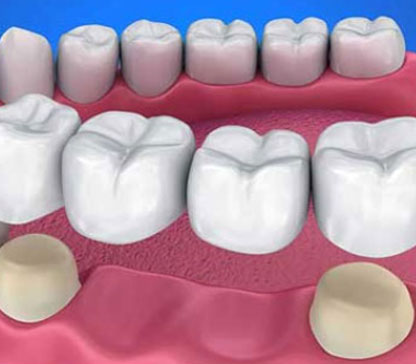
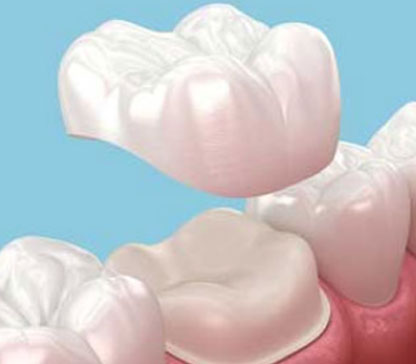
Premium Dental Crown And Bridge Treatment
Why do you need custom dental crowns?
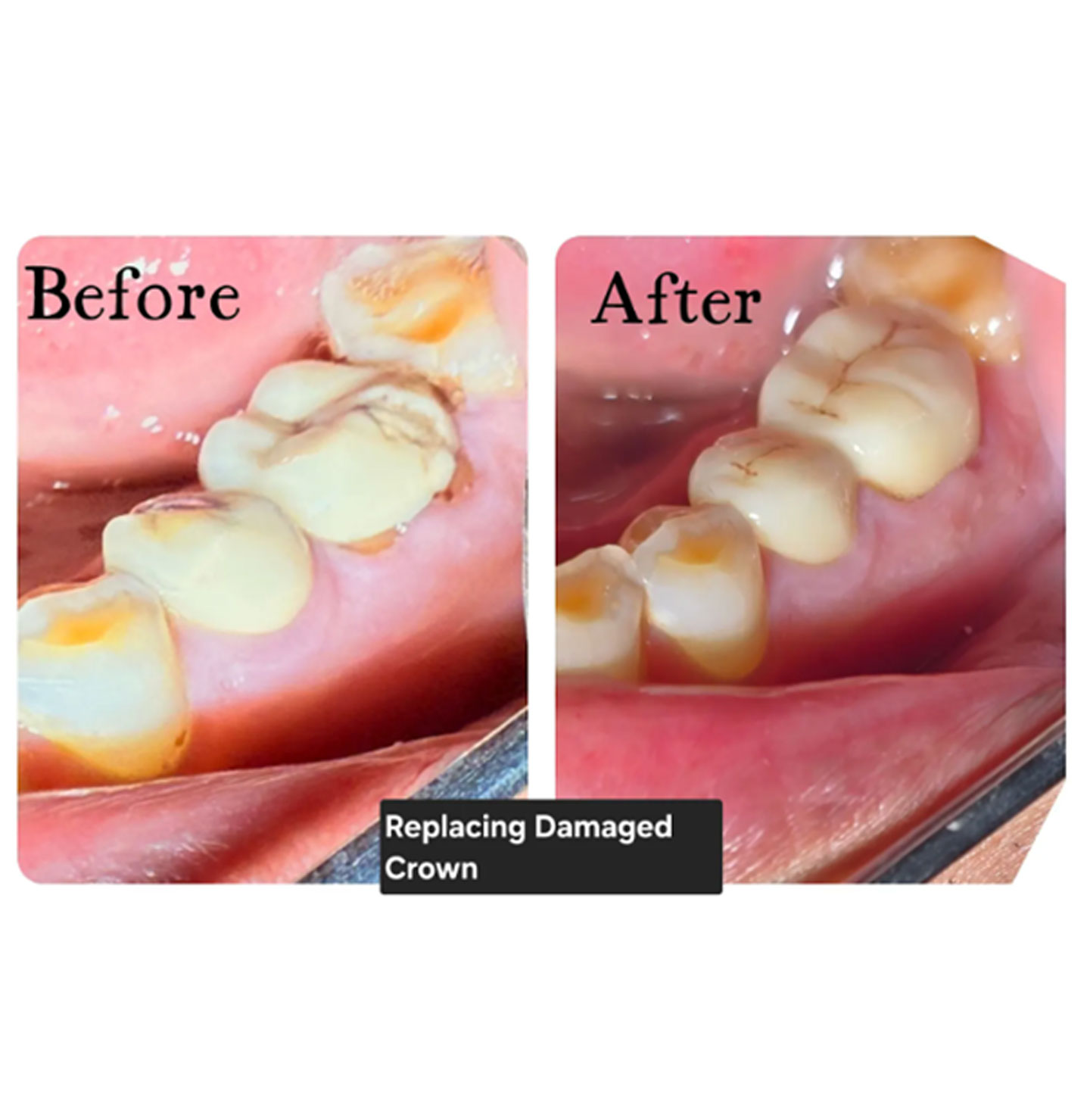
Sometimes, the tooth structure gets so severely compromised that it can easily fracture by applying normal biting force. The primary aim of our smile experts is to save the natural tooth structure. If we can preserve a damaged tooth with a root canal treatment, it is essential to protect it permanently. When a tooth is bound to fracture upon structural use, placing a protective cover is vital. A specialized dental tooth cap or a permanent dental crown and bridge in Majiwada Thane is used to give that necessary, long-term protection. In the information provided below, let us discuss how a durable ceramic dental crown and dental bridges work – brought to you by the expert medical team at Odontocare Dental Clinic.
Why should you replace missing teeth?
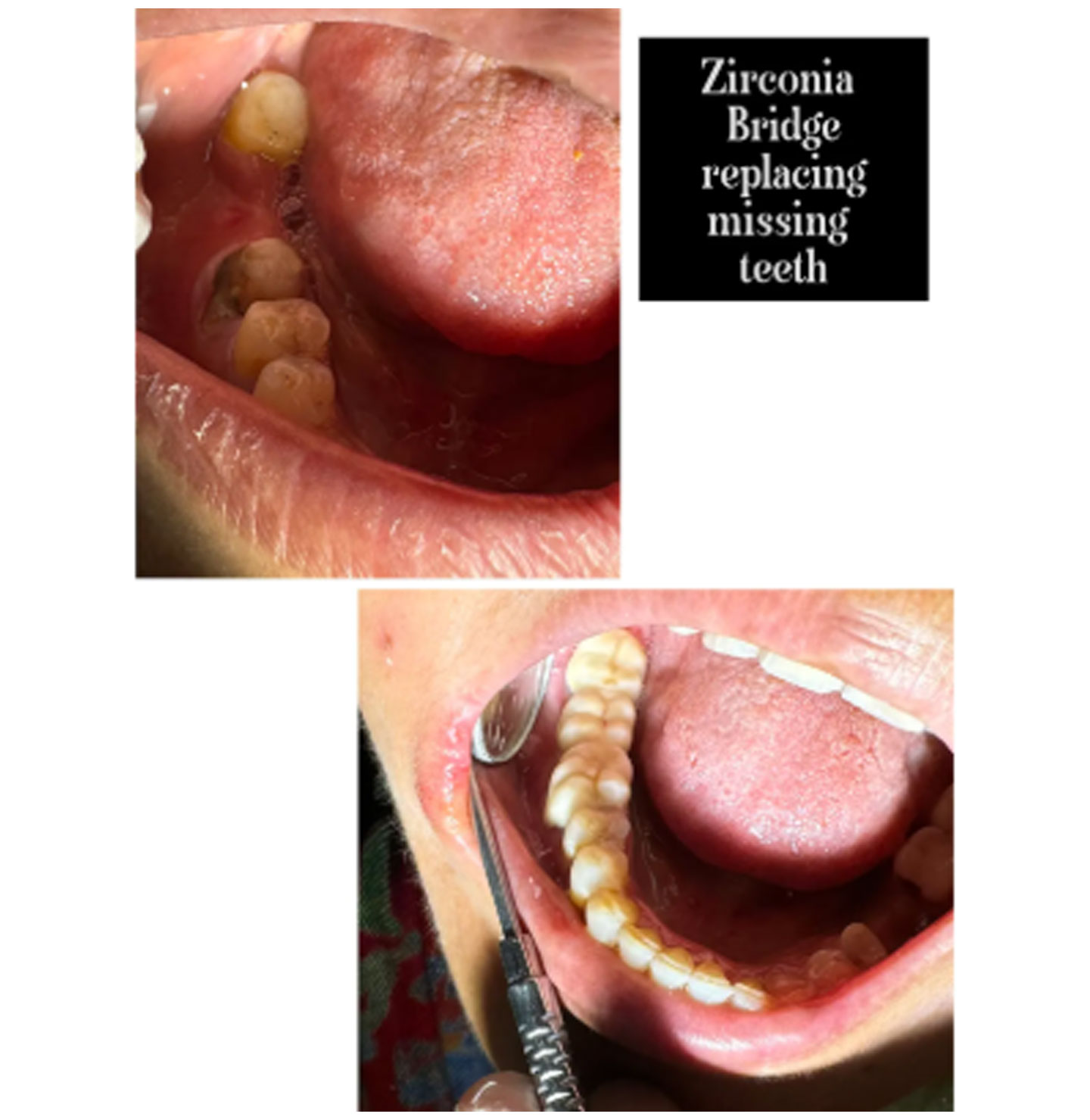
Leaving gaps from missing teeth can lead to serious functional problems like a drastic decrease in daily chewing efficiency. Over time, the adjacent and the opposing teeth naturally tend to shift or tilt to occupy the free space created by missing teeth. This structural movement leads to an alteration in the bite. An altered bite eventually results in insufficient chewing and jaw strain. Fortunately, there are many reliable aesthetic options for replacing missing teeth, the most popular being a fixed tooth bridge or a customized tooth cap in Thane West.
What are restorative dental crowns?
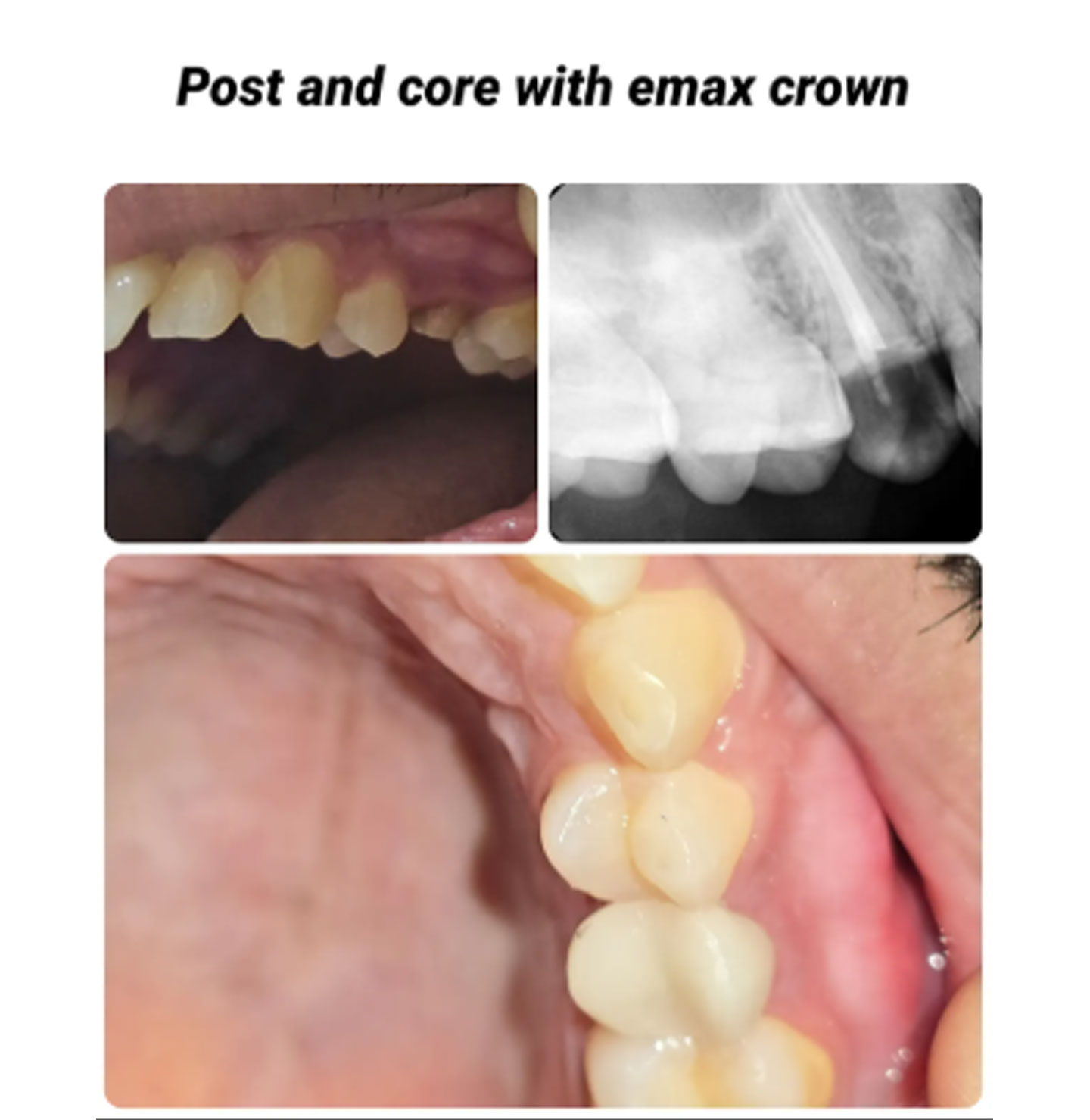
An aesthetic dental crown or a custom tooth cap is generally indicated immediately after a root canal treatment. A dental crown is a custom-fitted prosthesis designed to cover the entire tooth structure from all sides. It aims to completely restore the structural durability, shape, and alignment of the tooth. The prime purpose of an advanced tooth cap is to prevent future tooth fractures. It is fabricated using highly durable materials like zirconia or a ceramic dental crown that can withstand heavy biting forces easily. Different varieties of dental caps and bridges are available with us at Odontocare Dental Clinic. The choice of dental crown or porcelain tooth cap is based on the specific location of the tooth and your bite condition.
What is a fixed dental bridge?
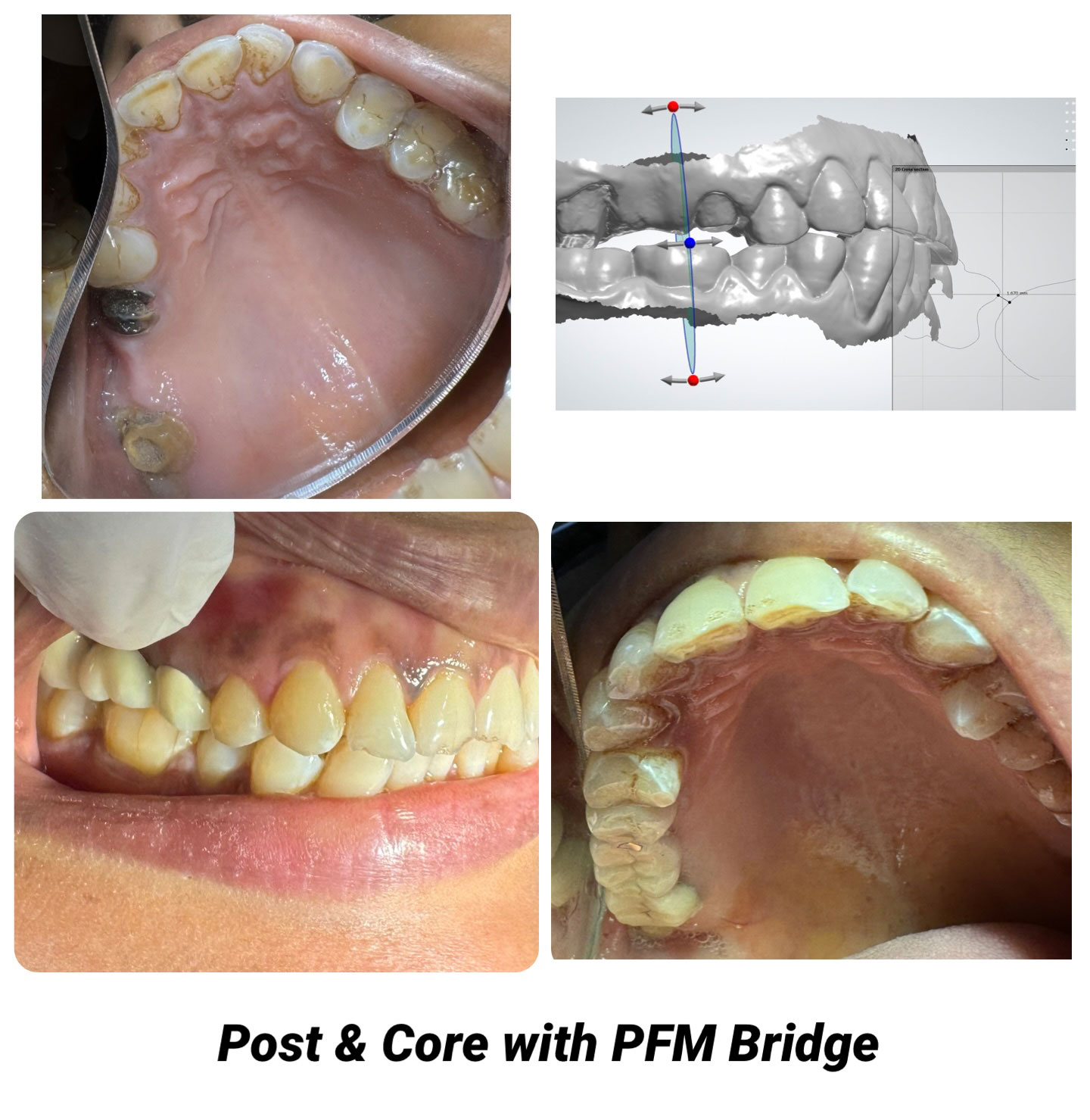
A permanent dental bridge is a fixed dental prosthesis that helps in replacing missing teeth without using removable plates. It takes structural support from the healthy adjacent teeth to securely anchor and replace missing teeth in a gap. A fixed tooth bridge can replace a single missing tooth or multiple missing teeth sequentially. This specialized dental bridge is permanently cemented onto your existing teeth and cannot be removed by you at home. The total number of dental caps required to support the bridge depends on the span of the missing teeth space. Our experts decide this after clinically examining your smile. For high-quality restorations, consulting the best dentist in Majiwada, Thane ensures your fixed tooth bridge is structurally balanced and built to last.
Clinical indications of dental crowns
-
To safely keep a cracked tooth structure together
-
To structurally restore a broken tooth or fractured enamel
-
To protect a weakened tooth structure from breaking under biting forces
-
To form the visible part of a dental prosthesis over dental implants
-
To safely cover a tooth structure that is not fully formed or misshapen
-
To protect a root canal treated tooth from fracturing
Key advantages of a premium dental crown:
-
Provides exceptional structural durability and chewing strength
-
Protects vulnerable tooth structures from deep decay or external damage
-
Restores the natural shape, anatomy, and form of your teeth
-
Enhances your smile aesthetics using a natural-looking ceramic dental crown
-
Provides rigid support to anchoring teeth for safe chewing
-
Prevents sudden fracture of a weak or brittle tooth structure
Clinical advantages of a fixed dental bridge:
-
Delivers significantly improved smile aesthetics and tooth alignment
-
Restores your natural smile confidence and self-esteem
-
Provides a reliable, fixed solution to missing teeth without removable parts
-
Improves daily chewing potential and overall digestion
-
Restores a balanced bite and prevents opposing teeth from shifting
-
Allows better speech phonetics and clarity while speaking
-
Better patient control as the custom dental bridge is permanently fixed
-
An affordable option compared to multiple complex single implant surgeries
Frequently Asked Questions (FAQs)
How many sittings are required for a dental crown and bridge in Majiwada Thane?
The total number of clinical sittings required to custom fabricate a dental crown or tooth bridge is usually just two. In the first sitting, our dentists prepare the target tooth structure and take precise digital or physical impressions. In the second sitting, the final prosthesis is permanently fixed on the teeth. A specialized, high-grade medical dental cement is used to anchor dental crowns and bridges firmly onto the teeth. On rare occasions, we might require a third interim sitting where we meticulously adjust the bite alignment. A trial sitting is mostly recommended in complex cases where there is a major structural alteration in the patient's bite that needs correction.
Are dental caps and bridges safe?
Yes, the entire clinical process of custom fabrication and placement of a dental prosthesis is completely safe. The dental crown materials used at Odontocare Dental Clinic are 100% biocompatible, metal-free (like zirconia), and thoroughly safe for intraoral use.
Is getting a tooth cap in Thane West painful?
No, the entire tooth preparation and digital impression process is done under precise local anesthesia, making the treatment completely painless, relaxed, and comfortable for the patient.
Are ceramic dental crown restorations durable?
With proper oral hygiene and a consistent aftercare routine, a high-quality ceramic dental crown or a fixed tooth bridge is engineered to last for many years, and often a lifetime.
Aftercare regime for dental crowns and bridges
Regular brushing twice daily and flossing around the prosthetic margins are essential to keep the surrounding gum line healthy. While a ceramic dental crown or a fixed tooth bridge resists decay, maintaining oral health in the underlying and surrounding natural tooth structure is critical.
How to proceed with your dental crown and bridge treatment?
If you currently have an open missing tooth space, or if you have recently had a root canal treatment done, opting for a durable dental crown and bridge in Majiwada Thane is your ideal treatment solution. Contact us today to secure your consultation. Book an appointment with our smile experts at Odontocare Dental Clinic, who will assess your bite and help you design a customized tooth cap treatment plan.
Connect on WhatsApp for Custom Crowns & Bridges
Click below to book your appointment for a premium dental crown and bridge in Majiwada Thane:
WhatsApp: 9421026666Treatment done at Odontocare Dental Clinic