- Mon–Sat: 11:00 AM – 6:00 PM
- Sunday: Appt only
- +91 9421026666
- odontocaredental23@gmail.com
- Odontocare Dental Clinic
- Majiwada, Thane west
Shopping Bag
Popular Suggestions


Our Services
Extraction of Grossly carious tooth & root pieces
What is a tooth extraction?
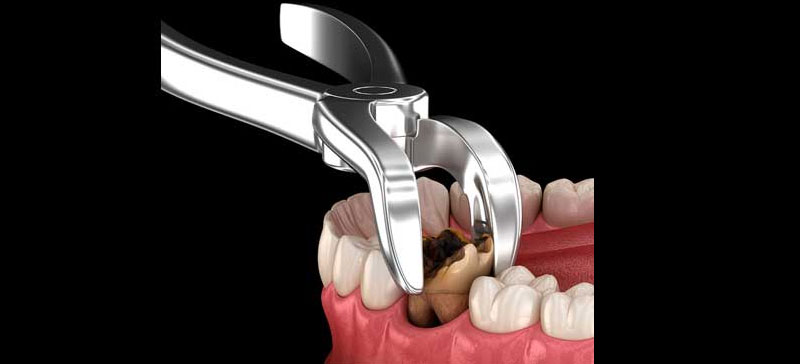
Tooth extraction is the painless removal of the whole tooth from its socket. It is done without causing any damage to the surrounding areas. Extraction of the tooth is always kept as a last resort when all the other measures of saving the tooth have failed. Tooth extraction is a minor oral surgical procedure done under local anesthesia. Local anesthesia is the one that numbs the offending tooth and its surrounding areas. It is essential to numb the area to make the process comfortable. Our clinic offers specialized tooth extraction in Majiwada Thane to help patients remove deeply infected teeth safely.
Types of extraction
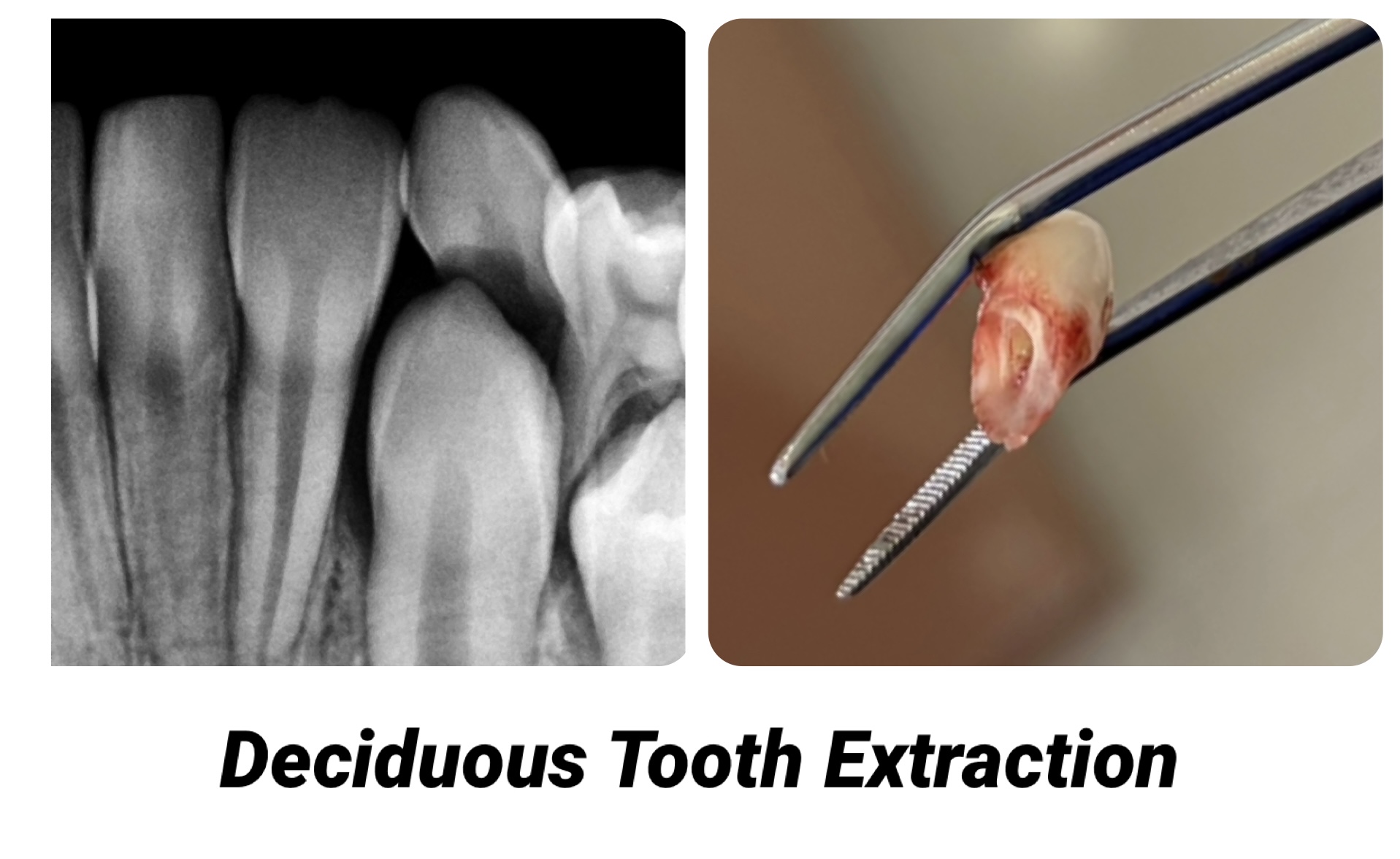
There are two kinds of extractions: regular and wisdom teeth extraction. Regular extraction involves the removal of the tooth that is visible in the mouth. Wisdom tooth extraction can remove partially erupted or fully impacted third molars. The third molars erupt between the age of 18-24 yrs. It is called an impacted tooth if they do not erupt in its regular position and remains locked inside the bone. Wisdom tooth removal is also a minor surgical procedure done under local anesthesia. However, it might take a little longer to complete than regular extraction. In the information provided below, we will briefly discuss teeth extractions- brought to you by team at Odontocare Dental Clinic.
When do you need extraction?
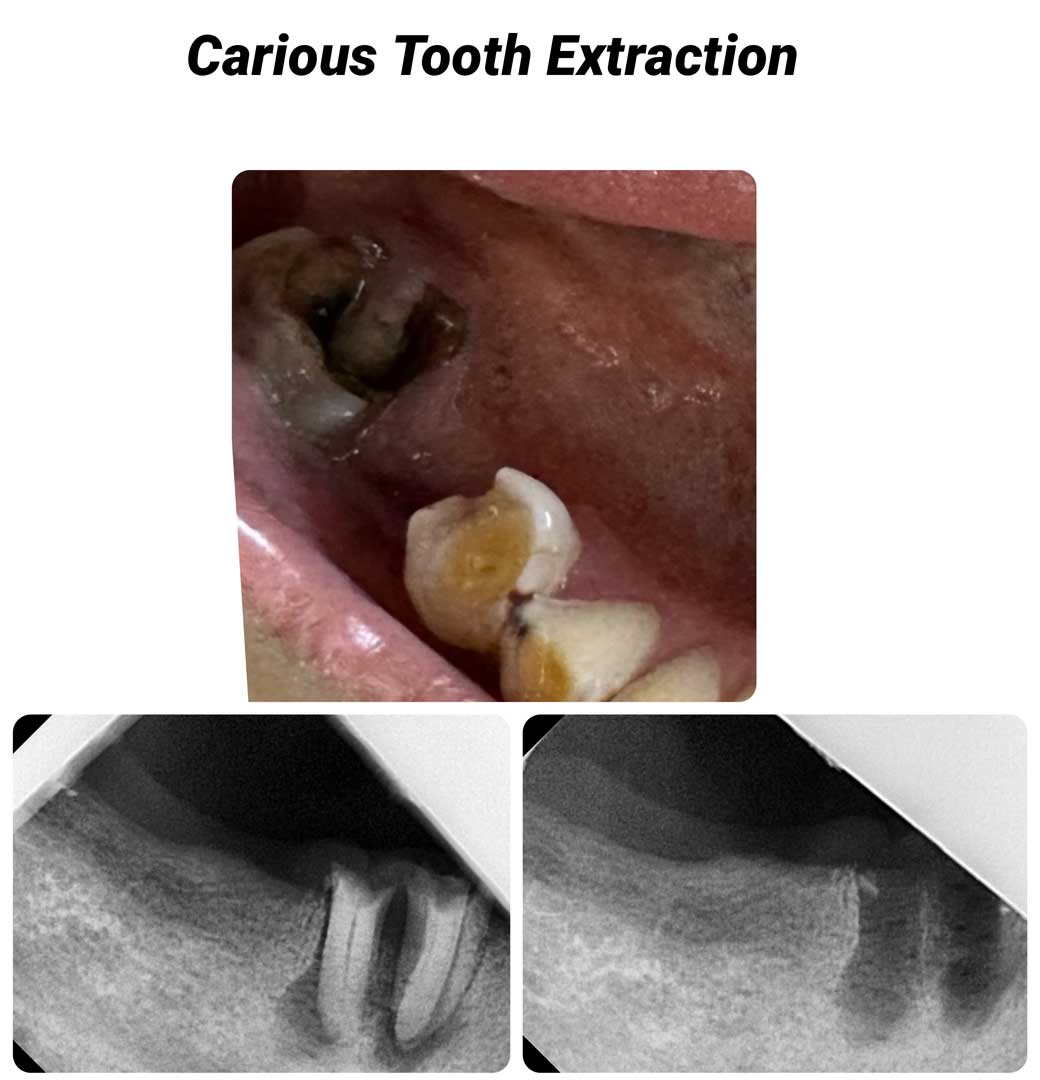
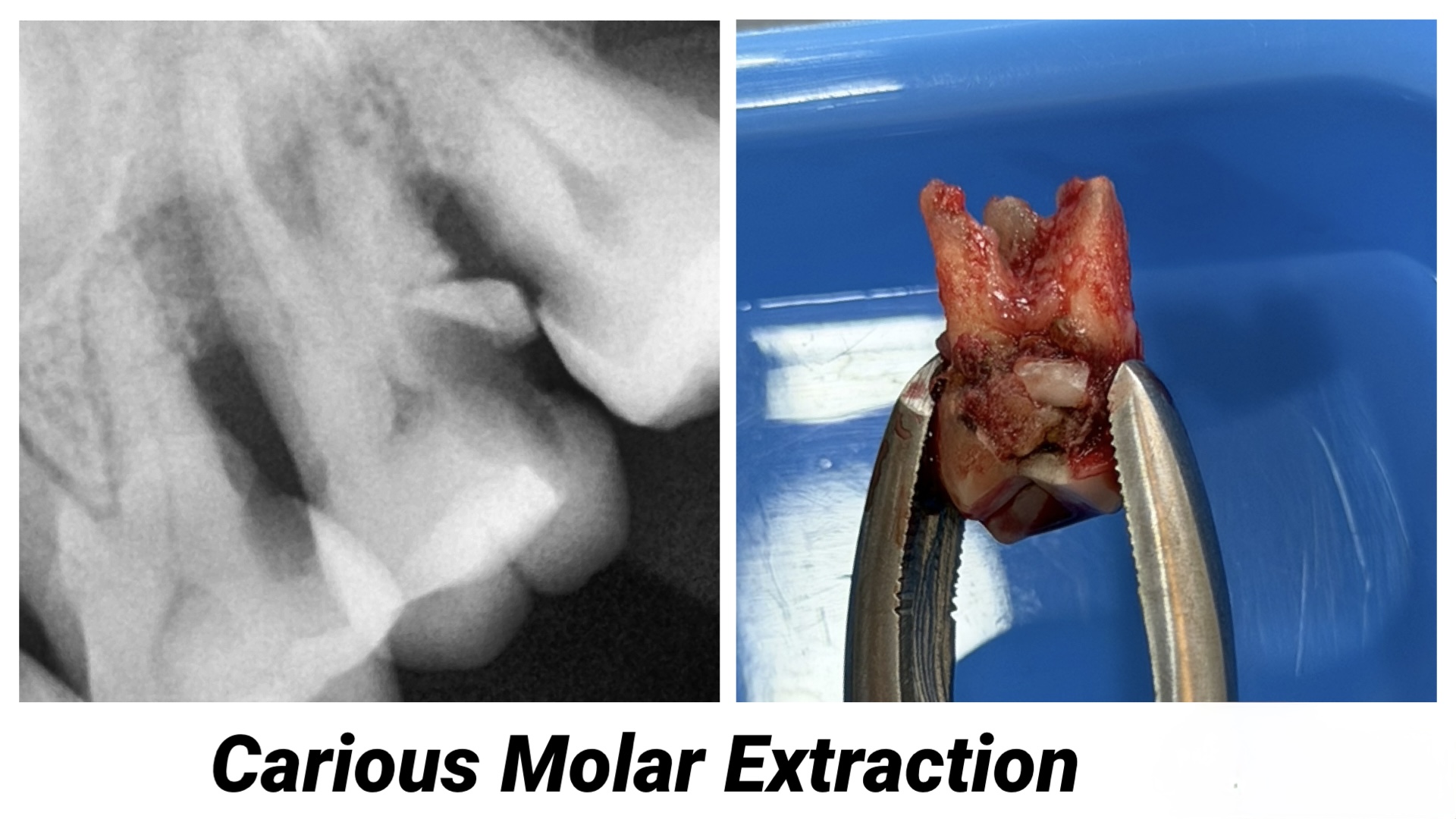
The primary aim of a dentist is to save your tooth. Tooth extraction is indicated as a last resort when all the methods to save the tooth have failed. Tooth extraction is indicated for a severely decayed tooth. It can also be done in cases where the damage due to trauma is so severe that hardly any tooth structure is left for build-up. It is crucial to clinically and radiologically assess the condition of your tooth before planning the extraction. Our team will customize the treatment plan based on the diagnosis. Wisdom tooth extraction is indicated when problems are associated with the third molars. There can be cases where the third molar is not causing harm; we don’t need extraction. However, when there is recurrent pain or limitation of mouth opening, it is vital to assess the condition. If you need an evaluation, visiting the best dentist in Majiwada, Thane at our clinic guarantees a safe roadmap.
Procedure
The first and foremost is the consultation with our surgeons at Odontocare Dental Clinic. We will clinically and radiologically assess your tooth’s condition. The radiological analysis is done to evaluate the presence of any pus around the tooth and the bone health around the tooth. It is essential to discuss your medical history during this step. Medical conditions like diabetes, hypertension, and blood disorders have a serious impact on extraction planning. Please inform our team on the first visit if you take any medicines. Once the diagnosis is made, a customized treatment plan is formulated accordingly.
The actual process starts with the administration of anesthesia. The tooth and its surrounding tissues are made numb. Once the area is anesthetized, we proceed with loosening the tooth. Once the tooth becomes loose, we pull it out of the socket. Our focus during a tooth extraction in Majiwada Thane is to keep the entire process stress-free and smooth.
Aftercare
It is essential to follow the aftercare instructions for proper healing. After the extraction, our surgeon will place a sterile gauze piece on the site. Remove it after 30-40 mins with clean hands.
Do not spit the gauze piece. Minor oozing of the blood is normal and nothing to worry about. If you notice excessive bleeding, it must be reported immediately.
Elevate your head with an extra pillow at night to prevent bleeding. Once you reach home, start with cold compressions. Use an icepack externally on the cheeks intermittently to avoid swelling.
Take all the medicines as prescribed by our team.
Do not brush on the day of extraction. Just clean your mouth gently with your fingers. Do not spit or rinse your mouth forcefully during the first 24 hrs.
Switch to a softer diet and avoid hot, spicy, and crunchy food. Maintain proper oral hygiene from the next day onwards. Go for the follow-up visit to monitor the socket’s healing as scheduled.
FAQs
Is tooth extraction painful?
No, the entire extraction procedure is carried out smoothly under local anesthesia, which completely numbs the target tooth and its immediate surrounding tissues, making the process completely painless and comfortable.
How long does it take for the extraction site to heal?
Initial healing of the gum tissue typically takes about 1 to 2 weeks. Complete healing of the underlying jawbone socket where the tooth roots were located takes around 3 to 6 months.
What should I eat after a tooth extraction?
You should switch to a soft, cold diet for the first 24 hours, such as ice cream, yogurt, cold smoothies, or mashed potatoes. Avoid hot, spicy, or crunchy items, and do not use a straw.
What happens if broken root pieces are left inside?
Leaving grossly carious root pieces or broken segments behind can lead to chronic infections, recurrent pain, bone damage, or dental cysts. Timely removal with professional tooth extraction in Majiwada Thane helps eliminate these long-term risks.
Can I replace my tooth immediately after extraction?
Depending on your bone health, some dental implants can be placed on the exact same day (immediate implants). For dental bridges or routine options, we generally wait 4 to 6 weeks for initial gum healing.
How to proceed?
If you have a severely decayed tooth, a painful wisdom tooth, or broken root pieces causing severe irritation, do not delay treatment. Book your consultation with our oral surgery experts at Odontocare Dental Clinic, who will help you design a customized treatment plan as required.
Connect on WhatsApp for Painless Extractions
Click below to book your consultation for expert tooth extraction in Majiwada Thane:
WhatsApp: 9421026666Treatment done at Odontocare Dental Clinic