- Mon–Sat: 11:00 AM – 6:00 PM
- Sunday: Appt only
- +91 9421026666
- odontocaredental23@gmail.com
- Odontocare Dental Clinic
- Majiwada, Thane west
Shopping Bag
Popular Suggestions


Our Services
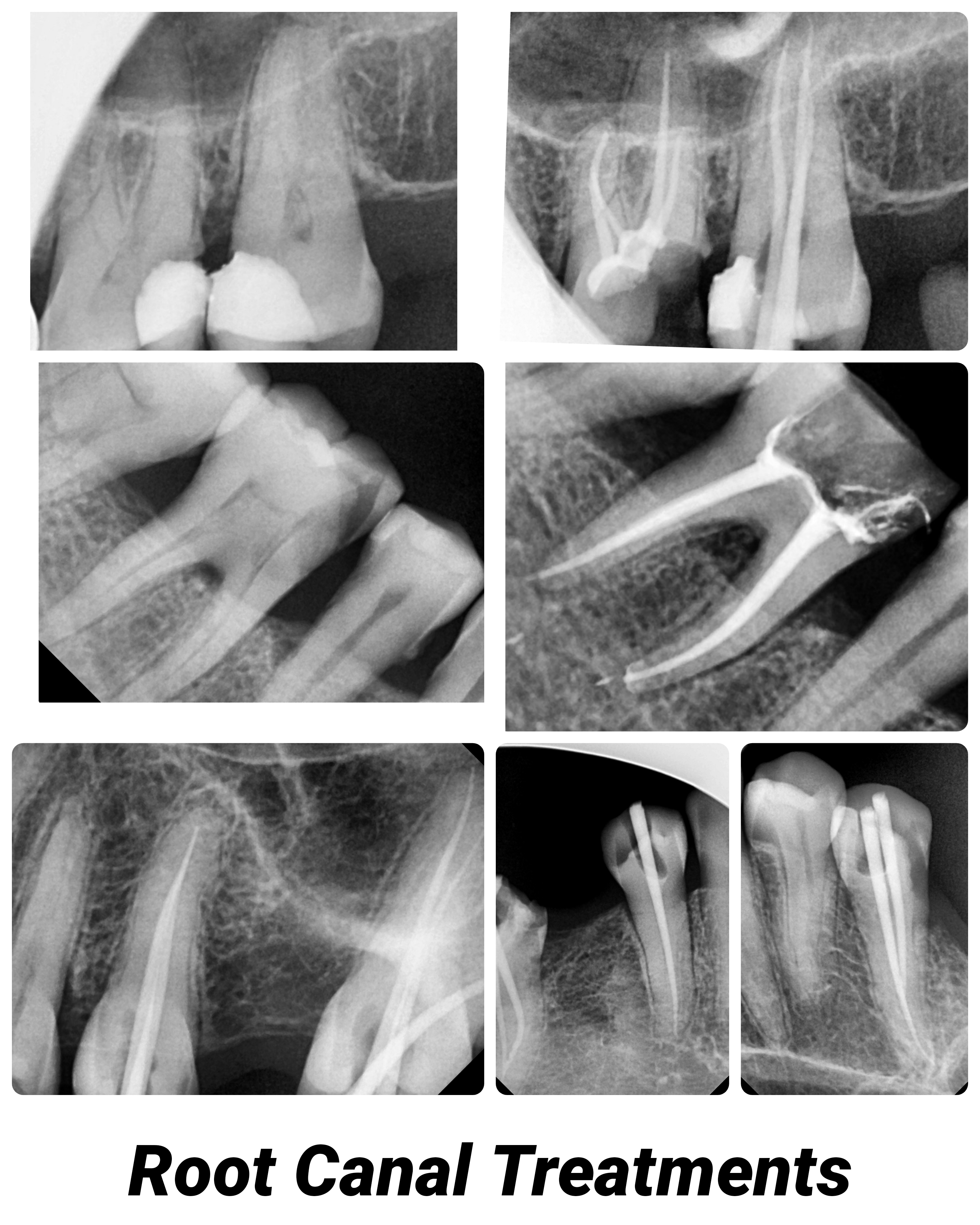
Root Canal Treatment in Majiwada Thane
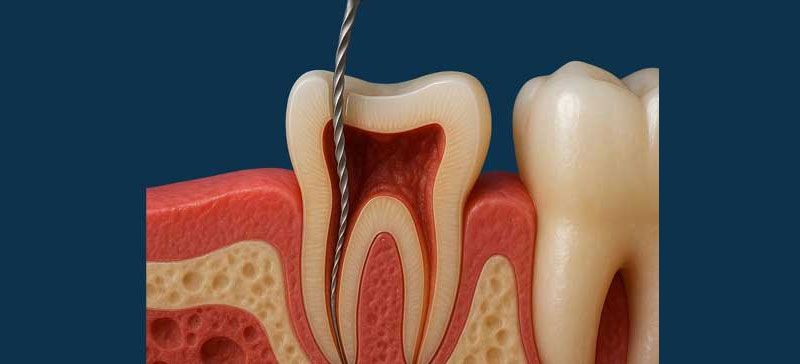
Our teeth comprise three layers, and the innermost layer is called the pulp. The pulp contains the vital nerves and blood vessels of the teeth. When the tooth decay or cavity is limited to the outer two layers of the teeth, it can be easily restored with a standard dental filling. However, when the innermost pulp layer gets involved, patients experience immense pain and sensitivity. Professional root canal treatment in Majiwada Thane is highly suggested when the infection reaches this innermost layer to save your natural teeth from extraction.
What is Root Canal Treatment? (RCT)
Root canal treatment, or RCT, is a specialized dental procedure that completely removes the infected or dead pulp tissue and thoroughly cleans the entire root canal space. Once thorough clinical cleaning and disinfection are completed, we fill the empty internal canal. The tooth is securely sealed with a biocompatible dental sealer material to prevent future bacterial reinfection.
Advanced root canal treatment in Majiwada Thane can be comfortably completed in a single sitting or multiple sittings, depending entirely on the severity of your deep-seated infection. If you are searching for a highly recommended specialist to evaluate your case, consulting the best dentist in Majiwada, Thane at our clinic ensures a precise diagnostic roadmap. The entire process is completely painless and carried out smoothly under local anesthesia.
Why Do We Need RCT?
Deep Dental Cavities
The most typical indication for needing an RCT is deep, untreated tooth damage. Dental caries start from the outer enamel layer and rapidly spread inwards toward the pulp tissue. Timely root canal treatment in Majiwada Thane is vital once the internal nerves become infected. It is essential to treat the affected tooth promptly because leaving it untreated allows the infection to spread downward into the surrounding supporting bone structure, causing severe swelling, mobile teeth, and eventual tooth loss.
Direct Injury and Trauma
Physical trauma or direct injury to the mouth severe enough to cause internal pulp damage is another major indicator for RCT. In many instances, the injured tooth might not even show a visible fracture, but it will gradually turn dark or black over time. This color change is a clear sign that the inner nerve has died. Even if you are not experiencing active pain, a tooth turning black with a history of trauma necessitates an expert root canal treatment in Majiwada Thane to protect the jawbone.
The RCT Clinical Procedure
The first step is a comprehensive digital consultation with our experienced dental team at Odontocare Dental Clinic. Our team will thoroughly examine your tooth both clinically and radiologically using high-resolution digital X-rays to measure the exact spread of infection. Based on this thorough diagnosis, a customized treatment plan is formulated.
The actual procedure begins by administering local anesthesia to completely numb the target tooth and its immediate surrounding tissues, making the process completely stress-free. Next, we carefully open the tooth structure to clean out the cavity and remove all infected pulp residues. After the root canals are meticulously shaped, flushed, and disinfected, they are filled with a medical-grade sealer. The aftercare is simple, requiring nothing more than regular twice-daily brushing and routine dental flossing.
What to Do After Root Canal Treatment?
Custom dental crowns (caps) are highly suggested immediately following a successful root canal treatment in Majiwada Thane. Removing the infected pulp deprives the tooth of its natural moisture supply, making it brittle over time. A durable dental crown safely covers the remaining natural tooth structure, restores its full chewing power, and prevents accidental fractures under biting pressure.
How Long Does an RCT Last?
Maintaining adequate oral hygiene is vital to prevent food debris and plaque accumulation around the margins of your dental crown. When performed by an expert dental specialist and paired with routine check-ups, professional root canal treatment in Majiwada Thane is designed to last a lifetime.
Key Benefits of Root Canal Treatment
The primary benefit of an RCT is that it provides immediate relief from severe, throbbing toothaches by removing the infected nerve tissue.
It completely eliminates severe temperature sensitivity cases that fail to respond to standard anti-sensitivity toothpastes.
Most importantly, the root canal procedure preserves your natural teeth, maintaining your original bite alignment and eliminating the need for expensive dental bridges or implants down the line.
Schedule Your Appointment Today
If you are suffering from a persistent toothache or need a dental crown evaluation, do not delay your treatment. Connect with our dental team right away.
Connect on WhatsApp for Painless RCT
Click below to book your consultation for professional root canal treatment in Majiwada Thane:
WhatsApp: 9421026666Treatment done at Odontocare Dental Clinic